Uncovering the Significance of Aluminum Foundry in Sustainable Engineering Practices
Aluminum foundries are progressively identified for their important role in lasting engineering. By reusing light weight aluminum and making use of cutting-edge modern technologies, they add to source conservation and reduced emissions. This method fosters a circular economic situation, enhancing item high quality while lessening ecological impact. Nonetheless, the journey in the direction of sustainability in steel spreading is filled with challenges and opportunities that necessitate more exploration. What exists ahead for light weight aluminum foundries in the pursuit for a greener future?
The Duty of Aluminum Foundries in Resource Conservation
Aluminum foundries play a necessary function in resource conservation by efficiently reusing aluminum materials. These centers are crucial in changing scrap aluminum into top quality products, thus decreasing the demand for brand-new light weight aluminum extraction. The process includes thawing down made use of aluminum products, which needs markedly less energy than producing light weight aluminum from raw bauxite ore. By utilizing existing materials, foundries aid lower greenhouse gas emissions related to mining and refining processes.
Additionally, light weight aluminum foundries add to lose decrease by diverting scrap from landfills, advertising an extra sustainable method to source administration. They usually collaborate with sectors to accumulate post-consumer and post-industrial aluminum waste, improving the overall recycling infrastructure. This method not only saves natural resources yet additionally sustains the economic climate by developing work and cultivating advancement in lasting design methods. Via these initiatives, light weight aluminum foundries exhibit a commitment to ecological stewardship and resource effectiveness in manufacturing.
Recycling and Repurposing: A Circular Economic Climate Approach
The principle of a circular economic climate is progressively obtaining grip in various industries, consisting of aluminum foundries. This technique highlights the significance of recycling and repurposing materials to decrease waste and optimize source use. In light weight aluminum foundries, reusing entails recovering scrap aluminum from manufacturing processes and end-of-life items, significantly reducing the demand for virgin materials. This not just conserves all-natural resources but also decreases power usage connected with aluminum manufacturing.
Repurposing, on the other hand, involves changing disposed of aluminum items into brand-new, practical items, therefore prolonging their life process. By embracing these techniques, light weight aluminum foundries contribute to a lasting manufacturing environment that focuses on ecological duty. The integration of recycling and repurposing within the aluminum sector lines up with more comprehensive sustainability objectives, driving technology and enhancing the financial practicality of circular economic climate concepts (Aluminum Foundry). Inevitably, this strategy cultivates resilience within the market while lowering its ecological footprint
Ingenious Technologies Transforming Aluminum Spreading
Cutting-edge innovations are reshaping the light weight aluminum spreading sector by presenting innovative molding strategies that enhance accuracy and effectiveness. In addition, the development of environmentally friendly alloys is advertising sustainability while keeping performance standards. Automation in casting procedures additionally simplifies manufacturing, decreasing waste and power consumption.
Advanced Molding Techniques
Eco-Friendly Alloy Development
As the need for lasting methods in manufacturing expands, the development of environmentally friendly light weight aluminum alloys has actually emerged as a critical emphasis within the aluminum spreading sector. These innovative alloys aim to lower ecological impact while maintaining premium efficiency characteristics. Scientists are discovering the consolidation of recycled products and safe elements, which not only diminish the carbon impact however additionally enhance source effectiveness. Advanced methods, such as using bio-based ingredients, are being explored to enhance alloy residential or commercial properties without jeopardizing sustainability. Additionally, partnerships in between academia and industry are cultivating the production of alloys tailored for specific applications, making certain that environmentally friendly options satisfy the extensive demands of contemporary engineering. This dedication to sustainability positions the light weight aluminum casting market as a leader in liable production practices.
Automation in Casting Processes
While the light weight aluminum casting sector accepts sustainability, automation in casting procedures is at the same time transforming production performance and quality. Advanced technologies such as robotic arms, computer numerical control (CNC) machines, and synthetic knowledge are streamlining operations, minimizing labor costs, and minimizing human mistake. These innovations make it possible for exact control over spreading criteria, ensuring constant product quality and decreasing material waste. Additionally, automated systems can keep an eye on real-time data, permitting prompt changes to maximize performance. Therefore, manufacturers can enhance their sustainability initiatives by boosting source usage and reducing energy usage. The integration of automation not just fulfills the expanding need for top notch light weight aluminum parts however also lines up with eco-friendly practices, marking a substantial improvement in the light weight aluminum factory field.
Lowering Carbon Footprints With Sustainable Practices
A significant reduction in carbon impacts can be achieved through the implementation of lasting methods in aluminum foundries. By embracing energy-efficient innovations, foundries can lessen energy consumption, thus lowering greenhouse gas emissions. Furthermore, the integration of recycled aluminum significantly lowers the requirement for resources extraction, which is resource-intensive and adds to environmental degradation.
Carrying out sophisticated melting techniques, such as induction melting, can also enhance efficiency and lower discharges. Moreover, maximizing the casting process with automation and monitoring can lessen waste and energy use.

The Effect of Aluminum Foundries on Numerous Industries
Aluminum foundries play a substantial function throughout numerous markets, providing lightweight and sturdy products that enhance item efficiency and sustainability. In the automobile sector, light weight aluminum castings add to sustain effectiveness by reducing automobile weight, eventually resulting in lower discharges. The aerospace market benefits from light weight aluminum's strength-to-weight ratio, making it possible for the production of extra effective airplane layouts. In building, light weight aluminum components provide rust resistance and longevity, making buildings extra sustainable gradually. The electronic devices industry utilizes light weight aluminum for its excellent thermal conductivity, which is important for heat dissipation in gadgets. Additionally, light weight aluminum foundries support the production of consumer items, offering visually pleasing and practical products. As sectors progressively focus on sustainability, the role of aluminum foundries becomes much more crucial, guaranteeing that products not just satisfy performance criteria yet likewise line up with environmental goals. Consequently, the impact of light weight aluminum foundries extends throughout multiple industries, driving technology and promoting lasting practices.
Obstacles and Opportunities in Lasting Steel Casting
As industries endeavor for sustainability, the difficulties and opportunities in lasting steel casting come to be increasingly noticeable. One considerable obstacle is the ecological effect of conventional spreading processes, which often involve high power usage and discharges. Additionally, the need for skilled labor in lasting techniques poses troubles for several foundries. Possibilities are plentiful with developments in innovation, such as the combination of energy-efficient techniques and the usage of recycled products. Emphasizing the round economy, foundries can lower waste and reduced prices while improving product top quality. Collaboration among stakeholders, including providers and customers, can lead to innovative approaches that cultivate sustainability. Regulatory stress encourage foundries to adopt greener practices, transforming difficulties into methods for development. By resolving these challenges, the steel spreading market can place itself as a leader in lasting design, ultimately adding to a much more eco accountable future.
Future Patterns in Aluminum Foundry Practices for Sustainability

Ingenious Recycling Techniques
While the need for lasting methods proceeds to rise, innovative recycling techniques are emerging as essential remedies within the aluminum shop industry. Advanced techniques such as read this closed-loop recycling are getting grip, allowing for the repurposing of scrap aluminum directly back right into the production procedure. This approach not only minimizes waste but additionally minimizes the carbon impact related to light weight aluminum manufacturing. Additionally, the development of advanced sorting innovations boosts the effectiveness of recycling procedures, making certain high-grade feedstock for foundries. Strategies like hydrometallurgical recycling more optimize resource recuperation, enabling the removal of beneficial products from complex aluminum alloys. As these innovations evolve, they considerably add to an extra lasting light weight aluminum factory market, aligning with worldwide environmental objectives.
Energy-Efficient Spreading Methods
Ingenious recycling strategies lead the way for advancements in energy-efficient spreading approaches within the light weight aluminum foundry market. These techniques focus on decreasing energy consumption and reducing waste throughout the spreading process. Techniques such as die casting and investment casting are being fine-tuned to improve thermal performance and shorten cycle times. Additionally, the integration of clever innovations and automation permits real-time surveillance and optimization of power use. Researchers are likewise checking out different materials and additives that can additionally improve energy performance (Aluminum Foundry). The shift in the direction of lasting techniques is not simply governing; it shows a growing market need for greener items. As energy-efficient casting methods progress, they promise to markedly reduce the carbon footprint of light weight aluminum manufacturing while maintaining high quality and efficiency standards
Often Asked Inquiries
What Are the Environmental Benefits of Aluminum Foundries Contrasted to Other Steels?
Aluminum foundries offer considerable ecological benefits, consisting of reduced energy usage, reduced greenhouse gas exhausts, and recyclability. Compared to various other metals, aluminum's light-weight nature improves fuel effectiveness in transportation, further adding to sustainability in various sectors.
How Do Aluminum Foundries Contribute to Regional Economic Climates and Job Development?
Aluminum foundries play a necessary function in local economies by generating task opportunities and sustaining secondary industries. Their procedures promote financial development, boost labor force skills, and foster neighborhood advancement with investment in regional infrastructure and solutions.
What Security Actions Are Executed in Aluminum Foundry Procedures?
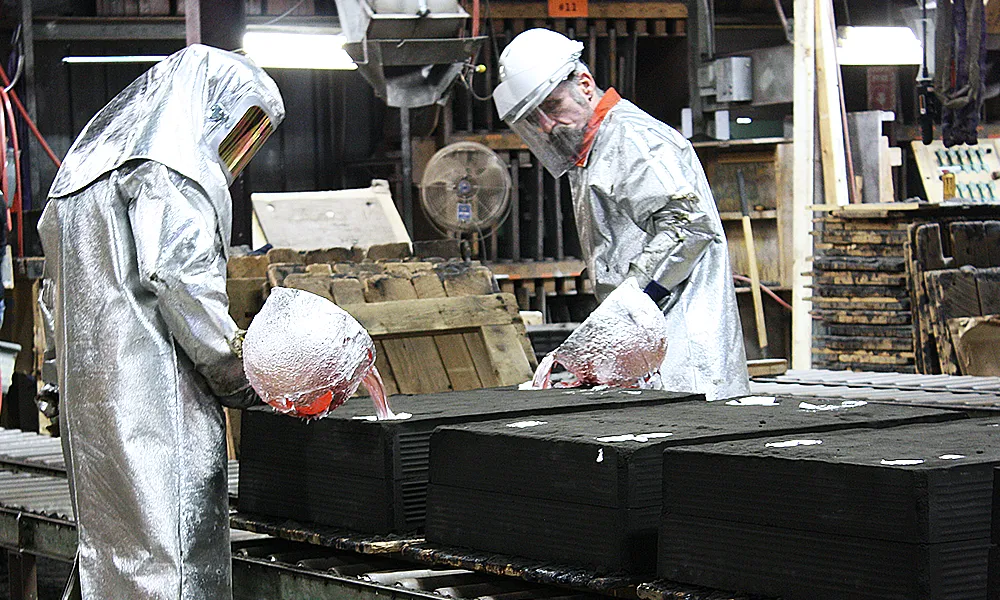
Safety and security actions in light weight aluminum foundry procedures consist of personal safety equipment, ventilation systems to decrease direct exposure to fumes, normal tools maintenance, safety training for employees, and stringent adherence to industry regulations to minimize hazards and warranty worker safety and security.
Just How Can Customers Support Sustainable Practices in Aluminum Manufacturing?
Consumers can sustain sustainable techniques in light weight aluminum manufacturing by selecting products made from recycled light weight aluminum, supporting for eco-friendly sourcing, and supporting firms committed to reducing this their carbon impact and carrying out responsible manufacturing processes.
What Qualifications Should Aluminum Foundries Pursue for Sustainability Recognition?
Aluminum foundries ought to pursue accreditations such as ISO 14001 for ecological management, LEED for environment-friendly structure, and the Aluminum Stewardship Effort criteria to gain recognition for their commitment to sustainability and responsible production methods.